


Puff Counts Explained: Why Advertised Numbers and Daily Use Differ
A headline such as 5,000 puffs or 15,000 puffs looks precise, but it should not be read as a guaranteed number of inhalations or a fixed number of days. For a broader format comparison, read refillable vape versus disposable.
A puff is a behavior, not a standard quantity. People draw for different lengths of time, at different flow rates and with different pauses between draws. Device settings and hardware add more variation.
The practical way to read a puff claim is as a test-based estimate whose real-world result depends on how the estimate was produced and how the device is used.
A puff is not a fixed unit
Researchers describe vaping behavior through puff topography, which includes:
- Puff duration
- Puff volume
- Flow rate
- Time between puffs
- Number of puffs in a session
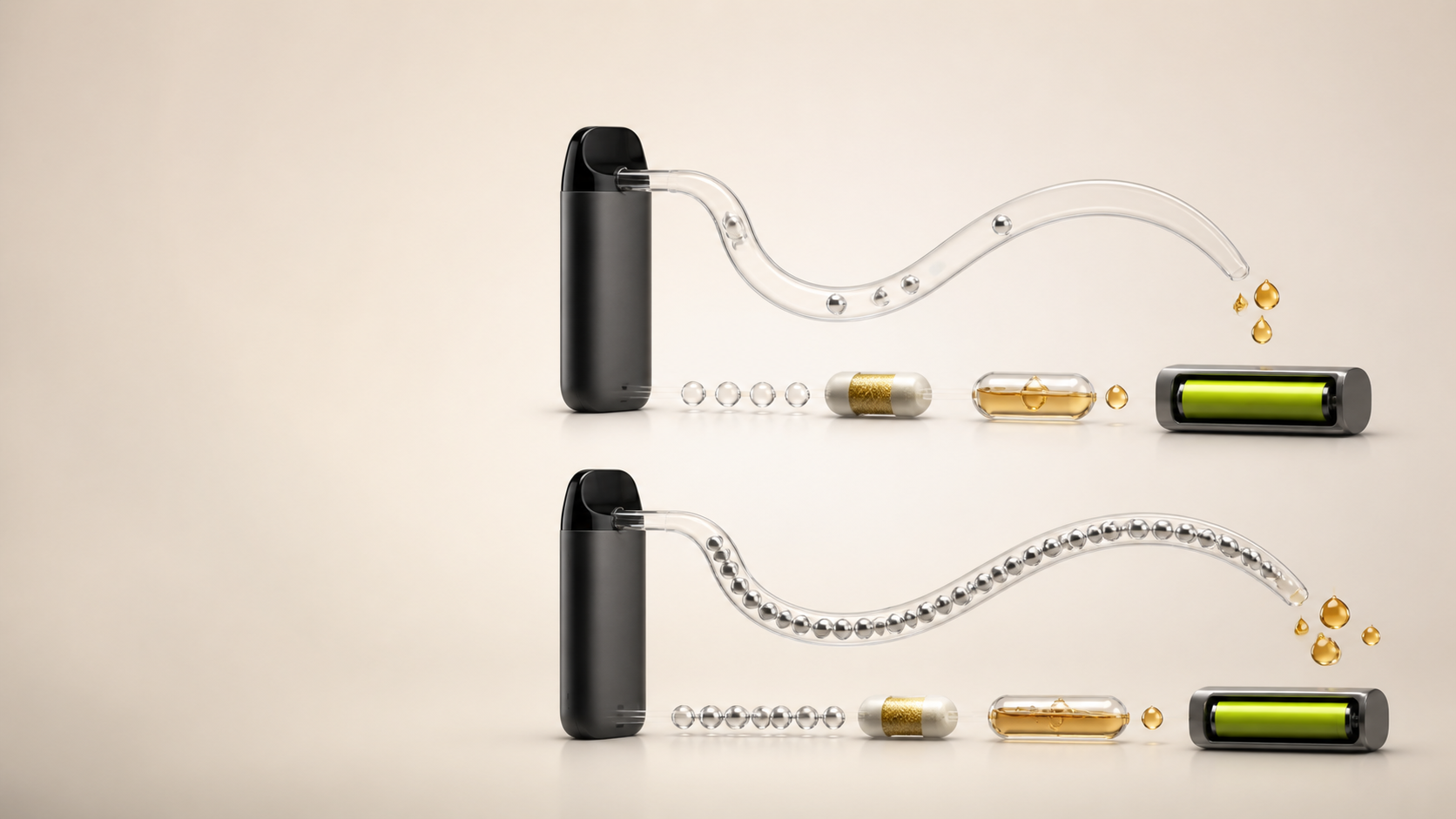
Natural-use studies have found substantial differences between adults on these measurements. One person’s short draw and another person’s long draw may both register as one puff while consuming different amounts of liquid and battery energy.
This is the central limitation of every advertised count: the label counts events, but it does not tell you how large each event was.
How an advertised count may be produced
Manufacturers can use puffing machines or automated test equipment to activate a device repeatedly under selected conditions. A test may specify a draw duration, airflow, interval and endpoint.
Those conditions are useful for repeatable internal comparison, but they are not a prediction of one person’s daily routine. Test methods and endpoints may also differ between manufacturers.
Before treating two puff claims as comparable, look for disclosure of:
- Puff duration used in testing
- Interval between puffs
- Airflow or draw profile
- Output mode
- Whether the device was recharged during testing
- The endpoint used to stop counting
- The volume of liquid available
If those details are absent, the advertised number is better treated as a broad product claim than a calibrated measurement.
Why a 5,000-puff or 15,000-puff label is not a clock
It is tempting to divide a claimed count by an assumed daily total and convert the result into days. That calculation creates false precision because both numbers can vary substantially.
Two adults using the same model may reach different results because of:
Draw duration and volume
Longer or larger draws generally use more liquid and energy than shorter ones. Laboratory research has demonstrated wide variation in real-world puff duration and volume.
Power and operating mode
Higher output can aerosolize more liquid during a draw. A device with adjustable modes may therefore produce different results depending on the selected setting.
Coil and airflow design
Resistance, airflow and heating efficiency affect how a device turns liquid into aerosol. Results from one design should not automatically be applied to another.
Battery behaviour
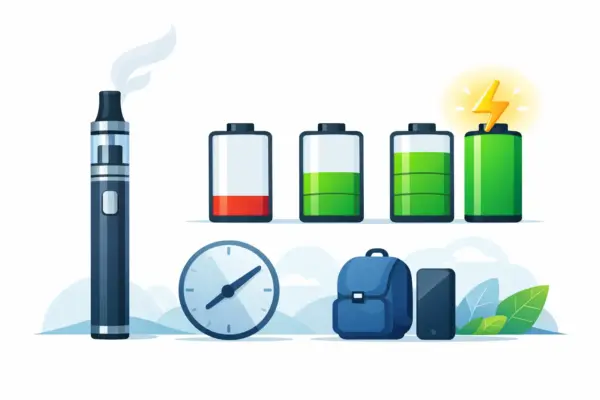
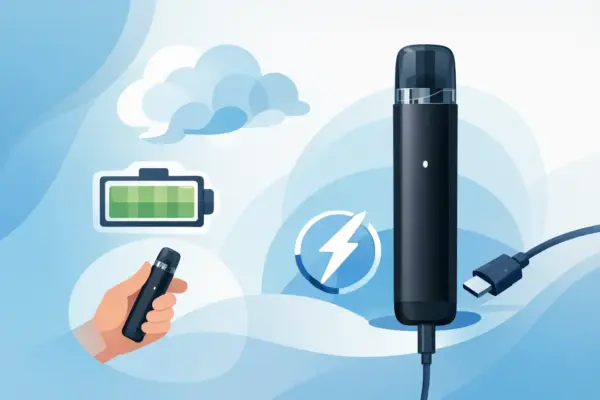
A rechargeable product may need charging before the liquid is finished. Battery age, temperature and charging condition can affect whether the device operates normally.
Liquid delivery
The coil must remain supplied with liquid. Orientation, storage, liquid properties or a damaged pod can affect wicking. A device should not be forced to continue if the aerosol tastes burnt or liquid no longer feeds correctly.
Counting rules
Some on-device counters register activations rather than measuring liquid use. Very short activations, interrupted draws or automatic cutoffs may be counted differently depending on the firmware.
Puff count does not measure nicotine intake
The number on a package is not a dose statement. Nicotine delivery is influenced by liquid concentration, device output, liquid formulation and individual puffing behaviour.
Research has shown that power and puff duration can influence emissions, while topography varies substantially between people. For that reason, a puff count should not be converted into an assumed nicotine amount or compared directly with a number of cigarettes.
A product label should state nicotine concentration separately. That information also requires careful interpretation and is not an individual usage recommendation.
What to compare instead
A more informed product comparison considers several published specifications together:
- E-liquid capacity
- Battery capacity
- Rechargeable or non-rechargeable design
- Fixed or adjustable output
- Coil or pod type
- Manufacturer’s test disclosure
- Required warning and traceability information
- Warranty and support
- Compliance with local product rules
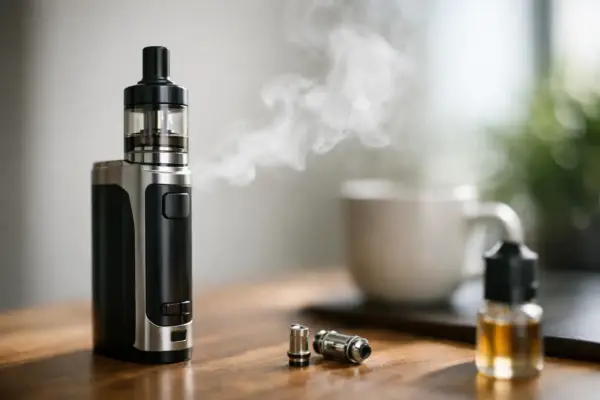
For refillable products, the device body, pod and coil have different lifecycles. A refillable device does not have one meaningful lifetime puff count because liquid can be added, the battery can be recharged, and consumable parts must be replaced.
Treat changes in performance as information
Do not chase an advertised number after the device shows signs that something is wrong.
Stop using the device and consult its instructions if you notice:
- Burnt or persistently abnormal taste
- Unusual heat
- Damage, swelling or deformation
- Continuous activation
- Significant leakage
- A damaged charging port
- Repeated warning lights or error messages
A remaining theoretical puff count never justifies using damaged hardware or extending a consumable beyond its proper replacement point.
A better way to read the claim
Use the advertised count to ask questions, not to predict a calendar date:
- Is the test method disclosed?
- How much liquid does the device contain?
- Can output or airflow change?
- Is the battery rechargeable?
- What conditions end the count?
- Are the product and nicotine information clear?
- Is the model permitted where it will be bought and used?
Puff counts can offer a rough comparison within a consistent product line. Without a shared test method, however, larger numbers do not automatically mean proportionally longer real-world use.
Vape products are for adults who meet the legal-age requirements in their location. Adults who do not currently use nicotine products should not start.
Related reading: For the label, storage, and disposal context behind advertised counts, review the disposable vape basics guide.