


How to Stop Pod Vape Leaking in 7 Steps
A small amount of moisture under a pod does not always mean a true leak. Condensation can collect around the mouthpiece or contacts after regular use, especially with a compact mouth-to-lung device. But if e-liquid is pooling in the pod bay, reaching the battery contacts, or escaping through the airflow, it is time to find the cause. Knowing how to stop pod vape leaking starts with identifying where the liquid is coming from rather than simply wiping it away.
For adult users, a clean pod connection is part of dependable everyday use. It protects flavor, helps maintain consistent activation, and keeps a refined device looking the way it should.
First, Tell a Leak From Condensation
Condensation is usually a light film of liquid inside the mouthpiece, at the top of the pod, or around the base after use. It tends to be clear, minimal, and easy to remove with a tissue. This is common because vapor cools as it travels through a narrow chimney.
A leak is more persistent. You may notice e-liquid collecting beneath the pod, wet hands after filling, gurgling during a draw, spitback from the mouthpiece, or a sudden drop in liquid level. If the liquid has color, scent, or a noticeably slick feel, treat it as e-liquid rather than condensation.
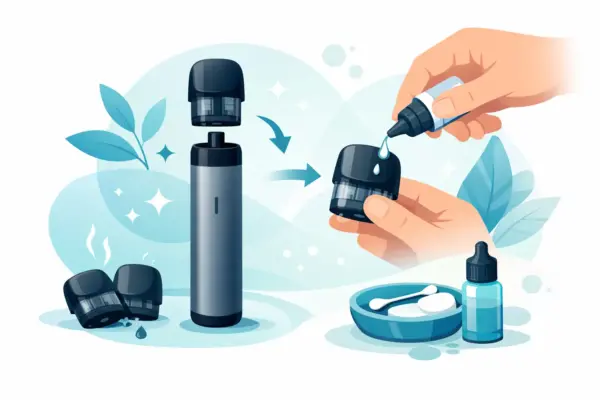
Remove the pod before cleaning. Use a dry, lint-free tissue or cotton swab to clean the bottom of the pod, the device contacts, and the inside of the pod bay. Do not rinse the device or introduce water into its charging port. Reinstall the pod only when both surfaces are dry.
How to Stop Pod Vape Leaking at the Fill Port
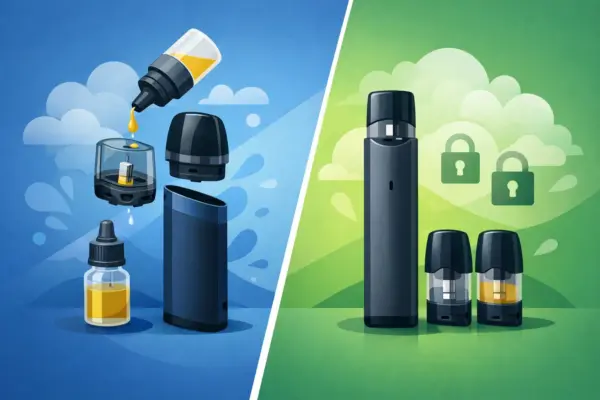
Most pod leaks begin during filling. Refillable pods need a little open space at the top to manage pressure changes and allow the wick to function correctly. Filling to the absolute rim can force e-liquid toward the chimney, airflow channel, or seal when the stopper is closed.
Open the designated fill port and keep the pod upright. Place the bottle tip inside the fill opening, not into the center chimney. The center tube is the vapor path, and filling it directly will cause gurgling and leakage almost immediately. Fill slowly, stopping just below the maximum fill line or leaving a small air gap if no line is present.
Before returning the pod to the device, close the silicone plug firmly and check that its edges sit flat. A stopper that is folded, stretched, or partly unseated may leak even if the pod itself is otherwise in good condition. Wipe the outside of the pod after every refill. This simple habit prevents leftover liquid from being mistaken for a new leak.
After installing a freshly filled pod, let it stand upright for several minutes. This gives the wick time to saturate and reduces the chance of drawing excess liquid into the coil. If you have changed flavors or installed a new pod, giving it a little more time is a smart trade-off for cleaner first draws.
Check the Pod, Seals, and Connection
Pods are consumable components. Their seals, internal wick, and coil all wear with use. A pod that once performed cleanly can begin leaking after repeated refills, a drop onto a hard surface, or extended exposure to heat.
Inspect the pod in bright light. Look for hairline cracks along the reservoir, base, mouthpiece, and fill-port area. Also check whether the pod sits fully flush in the device. A pod that is not seated correctly can leave airflow openings misaligned or prevent a proper seal around the connection.
If the pod is cracked, warped, loose, or repeatedly wet at the base after careful filling, replace it. Trying to extend a compromised pod usually creates more mess and can affect flavor and auto-draw performance. Replacement pods are routine maintenance, not a sign that the device has failed.
When using a pod system with replaceable coils, make sure the coil is fully pressed into place and its O-rings are undamaged. A coil that is slightly crooked or not completely seated can create a direct path for e-liquid to escape. If the coil was recently changed, remove it, inspect the O-rings, and reinstall it carefully according to the device instructions.
Match the E-Liquid to Your Pod
E-liquid thickness matters. A very thin formula can move through a pod wick too quickly, while a very thick formula may not wick efficiently in a lower-power mouth-to-lung pod. Either mismatch can affect performance, though thin liquid is more likely to show up as flooding, gurgling, or leaking.
Nicotine-salt e-liquids are commonly suited to low-wattage pod devices, but the appropriate PG/VG ratio still depends on the specific pod and coil design. Check the kit or replacement-pod guidance before changing formulas. If a leak begins right after switching e-liquid, the new liquid may be a factor rather than the hardware alone.
Temperature also changes how liquid behaves. E-liquid becomes thinner in a hot car, direct sun, or a warm pocket, increasing the chance that it will seep through the wick or airflow path. Store your device upright in a cool, shaded place whenever possible. Do not leave a filled pod in a vehicle during hot weather.
Adjust How You Draw and Use Airflow
Hard, sharp pulls can pull more e-liquid into the coil chamber than it can vaporize. This is particularly common with auto-draw pods and a tight mouth-to-lung setup. Use a steady, controlled draw instead of a forceful inhale.
If your device offers adjustable airflow or wattage, stay within the recommended range for the installed pod or coil. Running too low may leave excess liquid in the coil and lead to flooding. Running too high can damage the wick, creating a different problem: harsh flavor and shortened pod life. The right setting is usually the one that produces a clean, consistent draw without gurgling.
Avoid chain vaping immediately after a refill or when the pod has been sitting in a warm environment. A few seconds between draws gives the coil a chance to regulate liquid flow. If you hear gurgling, remove the pod, wipe the base and contacts, then gently flick the pod downward into a tissue to clear excess liquid from the mouthpiece area. Do not blow aggressively into the pod, as that can push liquid farther into the airflow system.
Store and Carry the Device Upright
A pod kit is designed for portability, but orientation still matters. Carrying a filled device on its side for long periods can allow liquid to rest against the airflow channel. This is more noticeable with a nearly full pod, a warm environment, or a pod that is approaching the end of its service life.
Keep the device upright in a pocket, bag compartment, or desk stand when practical. If you need to travel with it, remove obvious excess liquid from the exterior first and avoid overfilling. Changes in cabin pressure can also force liquid through a pod, so emptying or partially filling it before air travel may be the cleaner option.
Know When Cleaning Is Not Enough
If you have cleaned the contacts, filled correctly, checked the seal, adjusted your draw, and the same pod still leaks, replace it. Continuing to use a flooded or damaged pod can leave e-liquid inside the device and make it harder to tell whether a future issue comes from the pod or the battery connection.
If a new, compatible pod also leaks repeatedly, stop using the device until you can inspect it more closely or contact the retailer or manufacturer for support. Do not use a device with visible damage, unreliable activation, or e-liquid near the charging port. Keep nicotine products and e-liquid secured away from children and pets.
A pod system should feel compact, clean, and uncomplicated. Fill with care, keep the connection dry, use a compatible e-liquid, and replace worn pods before they become a problem. Those small checks keep the focus where it belongs: a consistent draw and the color, finish, and everyday convenience you chose the device for.