

How to Help a Refillable Vape Device Last Longer
A refillable vape device is a small electrical system with both durable and consumable parts. Good care can help it operate consistently, but making it last longer should never mean continuing to use damaged hardware or an exhausted pod.
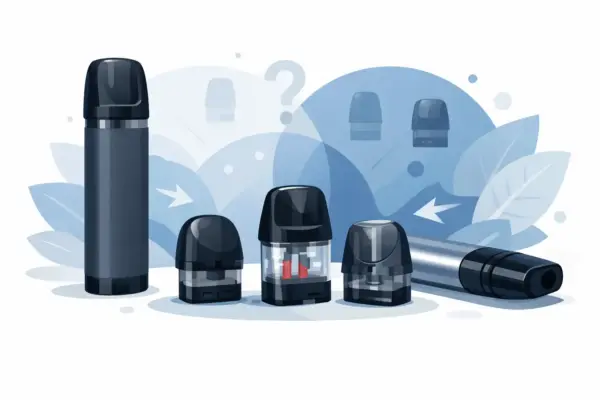
The battery body, pod and coil do not share one lifespan.
Start with the manual for the exact model. Filling methods, compatible liquids, charging specifications and warning lights differ between products.
Set up a new pod correctly
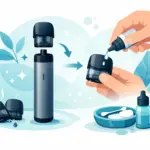
Use only a pod or coil listed as compatible with the device. Open the correct filling port, avoid pouring liquid into the central airflow path, and close the plug or cap firmly.
Do not fill above the marked level or force the bottle tip into internal components. Overfilling can leave liquid where it does not belong, while an incompletely sealed port can contribute to leakage.
After filling a new pod, wait for the period stated in the manual before use. Manufacturer instructions commonly require several minutes for the liquid to saturate the wick. Activating a dry or incompletely saturated coil can damage it immediately and produce a burnt taste.
Keep liquid above the inlet level
A coil needs a reliable supply of liquid. Do not continue using a pod when the wick openings are no longer covered or when the product instructions indicate that it should be refilled.
If the flavor suddenly becomes dry, harsh or burnt, stop. Adding liquid after repeatedly operating a dry coil may not restore a damaged wick.
Use only liquids compatible with the pod design. A formulation that is too thick for a small pod may feed poorly, while an inappropriate filling technique can cause flooding or leakage. Follow the device manufacturer’s compatibility guidance rather than relying on a universal ratio.
Use a simple dry-cleaning routine
Condensation and small traces of liquid can collect between the pod and battery body.
Periodically:
- Turn the device off if it has a power control.
- Remove the pod.
- Inspect the pod base and device compartment.
- Wipe accessible surfaces with a clean, dry, lint-free tissue.
- Check that the contacts are dry and free of debris.
- Reinstall the pod securely.
Do not immerse the battery body in water or apply liquid cleaner inside the device. Avoid metal tools near electrical contacts unless the manufacturer specifically instructs otherwise.
If liquid repeatedly appears in the battery compartment, investigate the pod seal, filling method and pod condition.
Avoid stressing the coil and battery
Repeated draws with little pause can build heat faster than the device dissipates it. If the body or pod becomes unusually hot, stop using it and allow it to cool in a safe location.
Operate adjustable devices only within the range specified for the installed coil. Excessive power can shorten coil life and overheat liquid, while an incompatible low setting may not produce the expected result.
Do not block the airflow, modify the pod, puncture the battery body or defeat a cutoff. Protective features are not operating targets.
Pay attention to warning lights or error messages. The manual should explain whether they indicate low voltage, a short circuit, poor contact, excessive activation time or high temperature.
Charge according to the specification
Use the cable and charger type specified by the manufacturer. A USB connector fitting physically does not guarantee that every power source has the appropriate output.
Charge on a stable, dry, non-flammable surface where the device can be observed. Do not charge under bedding, in direct sunlight, near water or inside a very hot vehicle.
Inspect the charging port and cable before connection. Stop using them if they are bent, loose, corroded or damaged. Do not charge a wet, swollen, cracked or unusually hot device.
When storage will be prolonged, follow the manual’s battery guidance. Do not assume one universal storage percentage applies to every battery system.
Store the device clean, cool and upright
When not in use:
- Turn the device off or lock it if that function is provided.
- Keep it away from direct sunlight and extreme temperatures.
- Store it in a dry place.
- Keep the mouthpiece protected from debris.
- Store it upright when recommended to reduce leakage.
- Prevent metal objects from contacting exposed terminals.
- Keep devices and liquids inaccessible to children and pets.
Replace consumables when they are finished
A pod or coil is not intended to last forever. Replacement timing depends on the model, liquid, output and use pattern, so a universal number of days is unreliable.
Common replacement signals include:
- Persistent burnt or abnormal taste
- Reduced performance after charging and cleaning
- Repeated gurgling or flooding
- Ongoing leakage
- Darkened or damaged wick
- Cracks, warping or loose seals
- A pod that no longer connects reliably
Cleaning can remove condensation, but it cannot repair a burnt wick, fractured pod or failed heating element.
Know when to retire the device body
Stop using the battery body if it has:
- Swelling or deformation
- A cracked enclosure
- Serious impact or water damage
- Continuous or unintended activation
- A burning smell
- Severe overheating
- A loose or damaged charging port
- Repeated faults with verified compatible pods
Do not open or repair a sealed lithium-battery device yourself. Contact the manufacturer or retailer and use an appropriate battery or electronics recycling route.
The best longevity routine is uncomplicated: fill carefully, allow a new pod to saturate, keep contacts dry, stay within the specified operating range, charge correctly and replace worn parts promptly. That protects normal performance without treating consumables—or damaged electronics—as permanent.
Vape devices and liquids are intended only for adults who meet the legal-age requirements in their location and must be kept away from children and pets.