

E-Liquid Freshness: How to Read Labels, Store Bottles and Notice Changes
E-liquid does not need to look exactly the same forever to remain recognisable, but it should always have a clear identity, intact packaging and a traceable label. Freshness is best evaluated through several pieces of evidence together—not through colour alone or an unsupported claim from a seller.
A careful routine begins when the bottle arrives and continues each time it is handled.
Read the Label Before Opening the Bottle
Label requirements vary by market, but a properly identified product should provide enough information to distinguish it from an unmarked liquid.
Depending on the jurisdiction and product, useful label details may include:
- Product and flavour name
- Bottle volume
- Nicotine content or a clear nicotine-free statement
- Ingredient information
- Manufacturer, importer or responsible business
- Batch or lot identifier
- Warning and handling information
- A best-before, expiry or manufacturing date where provided
- Instructions for use and storage
Do not guess the contents of a bottle with a missing or unreadable label. Likewise, do not treat two liquids as equivalent simply because their colour and flavour names look similar.
Understand the Date on the Package
Manufactured on, best before and expires on do not mean the same thing.
A manufacturing date identifies when the product was made. A best-before date usually describes the period in which the maker expects the product to retain its intended quality when stored correctly. An expiry date may carry a different meaning under the rules or instructions applicable to that product.
Do not invent a shelf life when no date is visible. Instead, contact the seller or manufacturer with the product name and batch code. Follow the instructions printed on that specific bottle rather than applying a universal timetable found online.
Store E-Liquid in Its Original Container
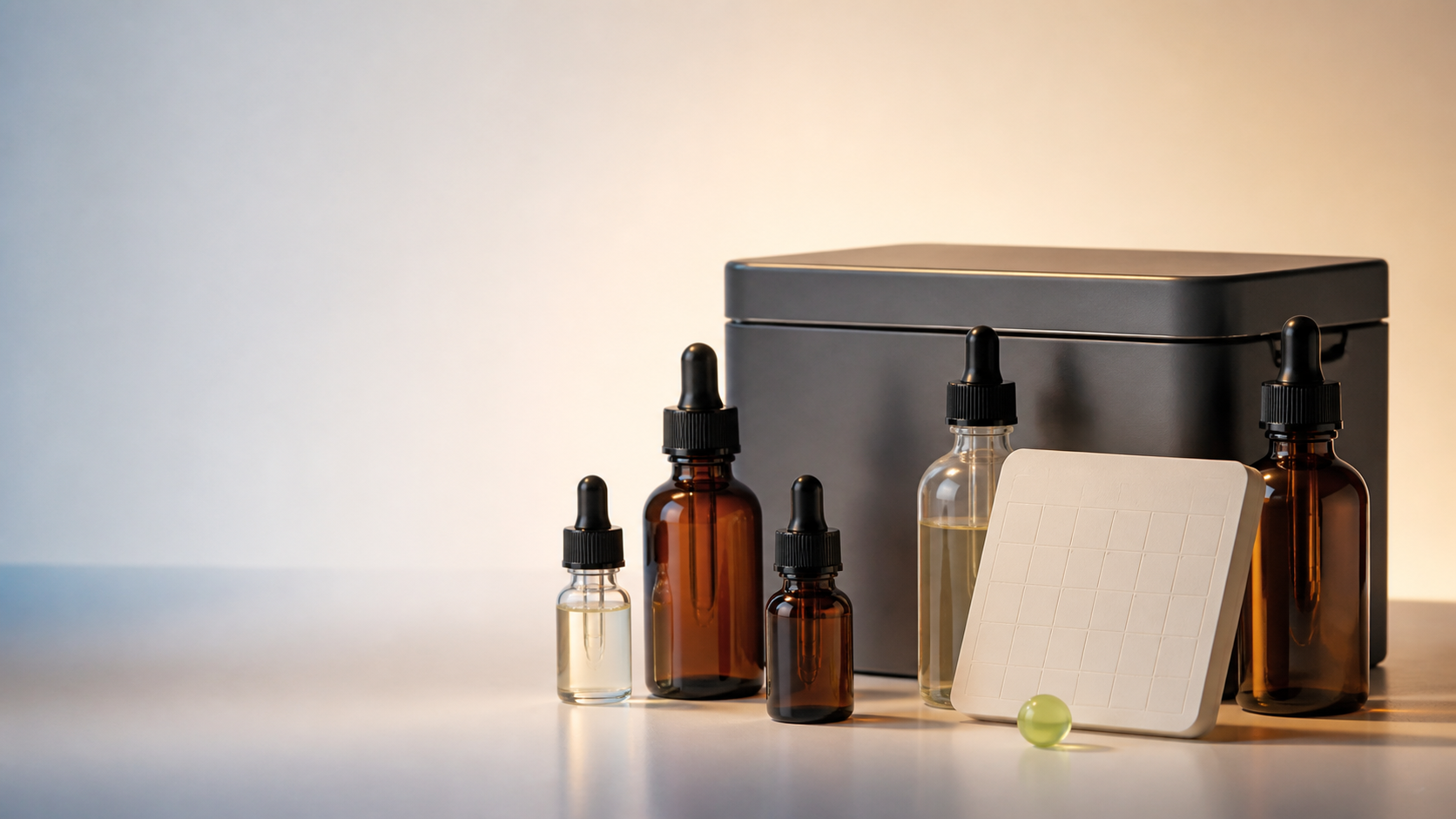
The U.S. Food and Drug Administration advises keeping e-liquids in their original containers, closing caps securely and storing them out of the reach and view of children and pets. Original packaging preserves the label and reduces the risk that the liquid will be mistaken for food, drink or another household product.
Choose a stable, secure storage location away from direct sunlight and unnecessary heat. Avoid leaving bottles in places with repeated temperature swings, such as a vehicle, windowsill or beside a heater.
Keep the bottle upright when practical and wipe away residue around the nozzle before closing it. Check that the cap engages correctly. A child-resistant closure is an important safeguard, but it is not a substitute for locked or inaccessible storage.
Do not transfer e-liquid into a beverage container, an unlabelled bottle or decorative glassware. If a container becomes damaged, ask the manufacturer or retailer how the product should be handled rather than improvising new packaging.
Use More Than Colour as a Freshness Test
Some e-liquids may gradually change shade during storage, especially after repeated exposure to air, light or changing temperatures. A colour change by itself does not provide a universal pass-or-fail result.
Compare the current bottle with its earlier appearance and look at the whole condition of the product. Reasons to pause and investigate include:
- A damaged or previously opened seal
- Leakage around the cap or bottle
- A label that has been replaced, obscured or detached
- Unexpected particles or material that does not recombine as directed
- A markedly unfamiliar odour
- A dramatic change in consistency
- An unknown origin or missing product identity
- Packaging affected by excessive heat
Different formulations can look and behave differently. Do not assume that every separation, colour shift or aroma change has the same explanation. When uncertain, stop using the liquid and contact the responsible seller or manufacturer with clear photographs and the batch information.
Avoid Freshness Claims That Cannot Be Checked
Words such as new batch, factory fresh or just produced are promotional statements unless supported by traceable information. A credible listing should identify the exact product, provide legible packaging information and allow questions about the batch or date.
Be cautious if a seller:
- Covers an original label with a new date sticker
- Cannot explain a missing batch code
- Sends a product different from the listing
- Uses stock photographs that hide the label
- Recommends ignoring damaged packaging
- Suggests relabelling or transferring the liquid
Keep a Simple Product Record
For bottles you plan to store, retain the order confirmation and take a clear photograph of the unopened label when the parcel arrives. Record the date opened if that helps you follow the manufacturer’s instructions.
This is not a complicated inventory system. It is simply a way to preserve the information most likely to be useful if you later have a question:
- Purchase date
- Seller
- Product name
- Batch or lot code
- Date opened
- Storage instructions
- Any visible packaging issue on arrival
What to Do When Something Looks Wrong
Do not taste, smell closely or handle leaking liquid to test whether it is acceptable. Avoid skin and eye contact, keep other people and animals away, and follow the product’s safety information.
If a child or pet may have been exposed, treat it as an urgent safety matter and contact the appropriate poison or veterinary service in your country. In the United States, the FDA directs consumers to Poison Control at 1-800-222-1222 for suspected exposure.
Freshness begins with traceability. A clear label, intact original container, responsible storage and a reachable supplier are more dependable than dramatic online claims about a bottle’s age.
Adult-use and safety note: E-liquid is for adults of legal age only. Nicotine is addictive and nicotine-containing liquid can be dangerous if swallowed or exposed to skin. Store every bottle securely away from children and pets.