


Draw Activated Vape Device: What to Look For
A draw activated vape device should feel immediate: take a measured inhale, and the device responds without reaching for a button. That simplicity is why auto-draw pod systems remain a strong choice for adult users who want a compact refillable format with fewer steps between a filled pod and a familiar mouth-to-lung session.
But activation is only one part of the experience. Sensor response, pod design, airflow, battery capacity, charging speed, and e-liquid choice all influence how a device performs day after day. For adult users comparing refillable pod kits, understanding those details makes it easier to choose for more than color alone – although a finish that fits your everyday carry still counts.
How a Draw Activated Vape Device Works
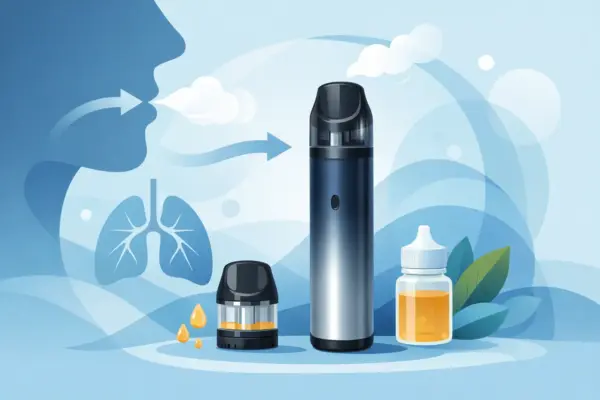
A draw activated vape device uses an airflow or pressure sensor to detect an inhale. When air moves through the device, the sensor signals the battery to power the coil inside the pod. The coil heats e-liquid held by the pod, producing vapor without a separate firing button.
The result is direct and intuitive. A button-activated device asks the user to press while inhaling. An auto-draw device responds to the inhale itself, which can make a compact pod kit feel more discreet and natural in use. Many adult users prefer this approach for an everyday device because there is less to manage when moving between home, work, and travel.
Auto-draw does not mean every device feels identical. The sensitivity of the sensor, the restriction of the airflow path, and the pod’s coil all affect how quickly vapor begins and how substantial the draw feels. A well-tuned device activates consistently on a normal mouth-to-lung inhale, not only on a sharp or exaggerated pull.
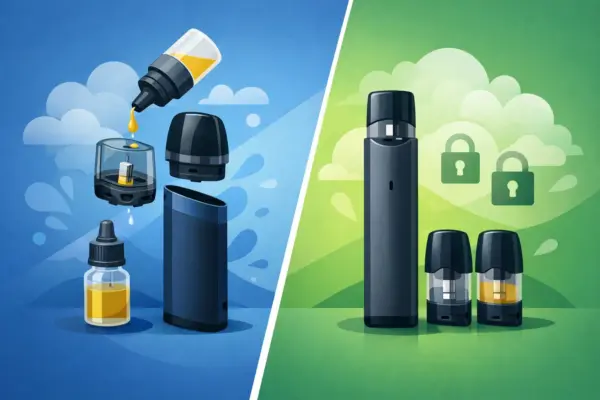
Auto-Draw vs. Button Activation
Neither activation style is automatically better. It depends on how you use the device and how much control you want.
Draw activation favors simplicity. There is no firing button to locate, no risk of forgetting to press it, and no extra action when taking a quick puff. It suits users who prefer a clean, minimal device with an uncomplicated routine.
Button activation can offer a more deliberate feel, especially on devices with adjustable wattage. Some users like being able to preheat the coil briefly or control exactly when power is delivered. A button may also be useful when a device is carried in a bag or pocket, though most quality pod kits include safety features designed to prevent unintended activation.
Some devices offer both modes. That flexibility is useful, but it is not essential for everyone. If the goal is a compact, refillable mouth-to-lung device with a straightforward daily rhythm, reliable auto-draw may be the feature that matters most.
What Makes Auto-Draw Feel Consistent
The best draw-activated devices are not necessarily the ones with the strongest pull. They are the ones that respond predictably. A device should activate with the same type of inhale each time, whether the pod is freshly filled or nearing empty, and whether the battery is full or ready for a recharge.
Sensor quality is central, but airflow design has just as much influence. Tighter airflow usually supports a classic mouth-to-lung draw, where vapor is drawn into the mouth before being inhaled. A looser setting can feel airier and may produce more vapor, but it can also change the way the sensor responds and the way nicotine salt e-liquid feels.
Adjustable airflow gives the user room to refine that balance. A slightly restricted setting can create a more focused draw and make lower-output pod systems feel more satisfying. Opening the airflow can cool the vapor and reduce draw resistance. There is no universal best setting – nicotine strength, pod resistance, and personal preference all play a role.
Condensation can also affect perceived performance. Small amounts of moisture around a pod connection are common in closed vapor paths, particularly with frequent use or temperature changes. Keeping the pod base and device contacts clean with a dry cloth helps maintain a dependable electrical connection. If a device begins activating inconsistently, check the pod fit, liquid level, and contacts before assuming the sensor has failed.
Choose the Pod Before You Choose the Color
Color is personal. Pod compatibility is practical. A refillable device works best when the available replacement pods match your preferred draw style and e-liquid routine.
Start with pod capacity and filling method. A clearly designed fill port makes refills cleaner and helps reduce the chance of opening the wrong seal. A visible pod is also useful because it lets you check e-liquid level before the coil runs dry. Running a pod too low can lead to a dry hit and may shorten coil life.
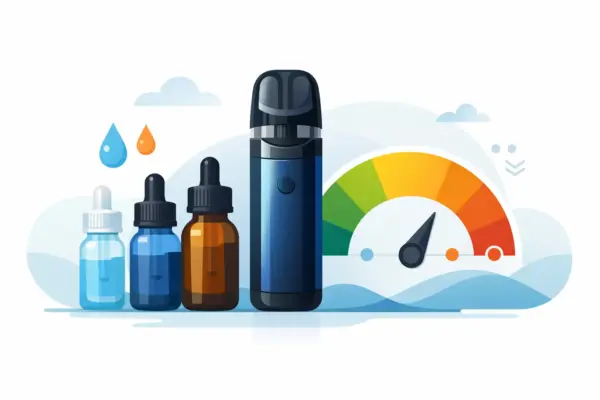
Then look at coil resistance and intended output. Higher-resistance pods are commonly associated with lower-power mouth-to-lung use, while lower-resistance options can create a warmer, more open draw at higher output. The practical question is not which number is best. It is whether the pod matches the kind of inhale you prefer and whether the device supports that pod within its recommended power range.
For a draw activated vape device, pod airflow and coil design affect the activation experience more than many shoppers expect. A pod designed for a tight mouth-to-lung draw may feel more responsive on gentle inhales. A more open pod may require a longer or steadier draw to produce the same result. Review the device and pod specifications together rather than treating them as separate purchases.
Battery and USB-C Charging Matter More Than They Seem
Auto-draw systems are designed for convenience, so a battery that cannot keep up changes the entire experience. Battery capacity, measured in milliamp-hours, offers a useful starting point. A 1000mAh battery will generally support more use between charges than a smaller battery, but output level, coil resistance, draw length, and ambient temperature all affect real-world runtime.
Adjustable wattage also matters. A device with a range such as 5-25W can accommodate different compatible pod types, but higher output typically uses battery power faster. Adult users who value all-day portability may prefer a modest output setting and a higher-resistance pod. Those who prioritize a warmer, more open draw may accept more frequent charging as the trade-off.
Type-C charging is now a practical baseline for compact pod kits. It makes it easier to use a current cable setup and can reduce downtime when the battery needs attention. Follow the manufacturer’s charging guidance, use appropriate power sources, and avoid leaving any lithium-battery device charging unattended. If a device becomes unusually hot, shows visible damage, or no longer charges normally, stop using it and consult the product instructions.
Pairing E-Liquid With a Refillable Pod
Refillable pod kits give adult users the option to choose compatible nicotine-salt flavors and strengths instead of replacing an entire disposable device. That flexibility is a major advantage, but e-liquid consistency should match the pod.
Nicotine salt e-liquids are commonly used in low-output mouth-to-lung pod systems because they are formulated for that style of device. The right nicotine strength is personal and should be selected responsibly by adult nicotine users. Stronger options are not automatically more satisfying, especially when paired with a tight airflow or a responsive auto-draw sensor.
Flavor can also change how a setup feels. Bright citrus profiles, creamy blends, fruit-forward options, and jam-inspired notes each carry differently depending on coil warmth and airflow. If a flavor seems muted, check the pod’s condition before increasing power or changing airflow dramatically. A worn pod, low battery, or nearly empty reservoir can alter flavor more than a small setting adjustment.
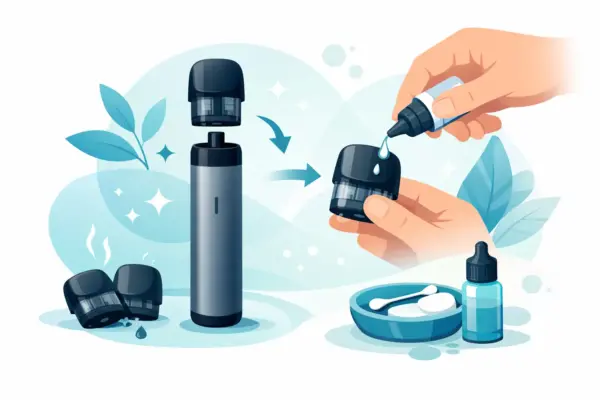
Prime a new refillable pod before use. Fill it, let the e-liquid saturate the coil according to the manufacturer’s instructions, and begin with gentler draws. This small step helps the wick absorb liquid evenly and reduces the chance of a harsh first inhale.
Signs It Is Time to Replace a Pod
Replacement pods are consumable components, not permanent hardware. Their lifespan varies with e-liquid formulation, sweetness, power setting, frequency of use, and how consistently the reservoir is kept filled. Rather than following a fixed calendar, pay attention to the change in performance.
A persistent burnt taste, noticeably reduced flavor, darker e-liquid in the pod, gurgling that does not clear, or vapor that feels weaker than usual can all signal that it is time for a new pod. A fresh pod should be filled and primed before use, then fitted securely to maintain clean contact with the device.
Keeping a spare pod on hand is a simple way to avoid interruption. It also makes it easier to switch between compatible flavors without blending the last traces of one profile into the next.
A Better Everyday Choice Starts With the Details
For adult users of legal smoking or vaping age, auto-draw is not just a convenience feature. It shapes the pace, feel, and portability of a refillable pod kit. Choose a device with dependable sensor response, compatible replacement pods, airflow that suits your inhale, and battery capacity that fits your day. Then make the finish your own – with the technical details already working in your favor.