



What Vape Battery Capacity Means for Daily Use
A compact pod kit can look minimal and still carry a meaningful difference in everyday performance. Vape battery capacity is one of the specifications that decides whether a device comfortably lasts through your routine or asks for a recharge before the day is over. For adult nicotine users choosing a refillable device, the right number is not simply the largest one. It is the capacity that fits your preferred output, pod resistance, use pattern, and charging habits.
A higher-capacity battery can add confidence between charges, but it may also change the size, weight, and profile of the device. The most considered choice balances runtime with the clean, portable form factor that makes a pod kit easy to carry.
Vape Battery Capacity Starts With mAh
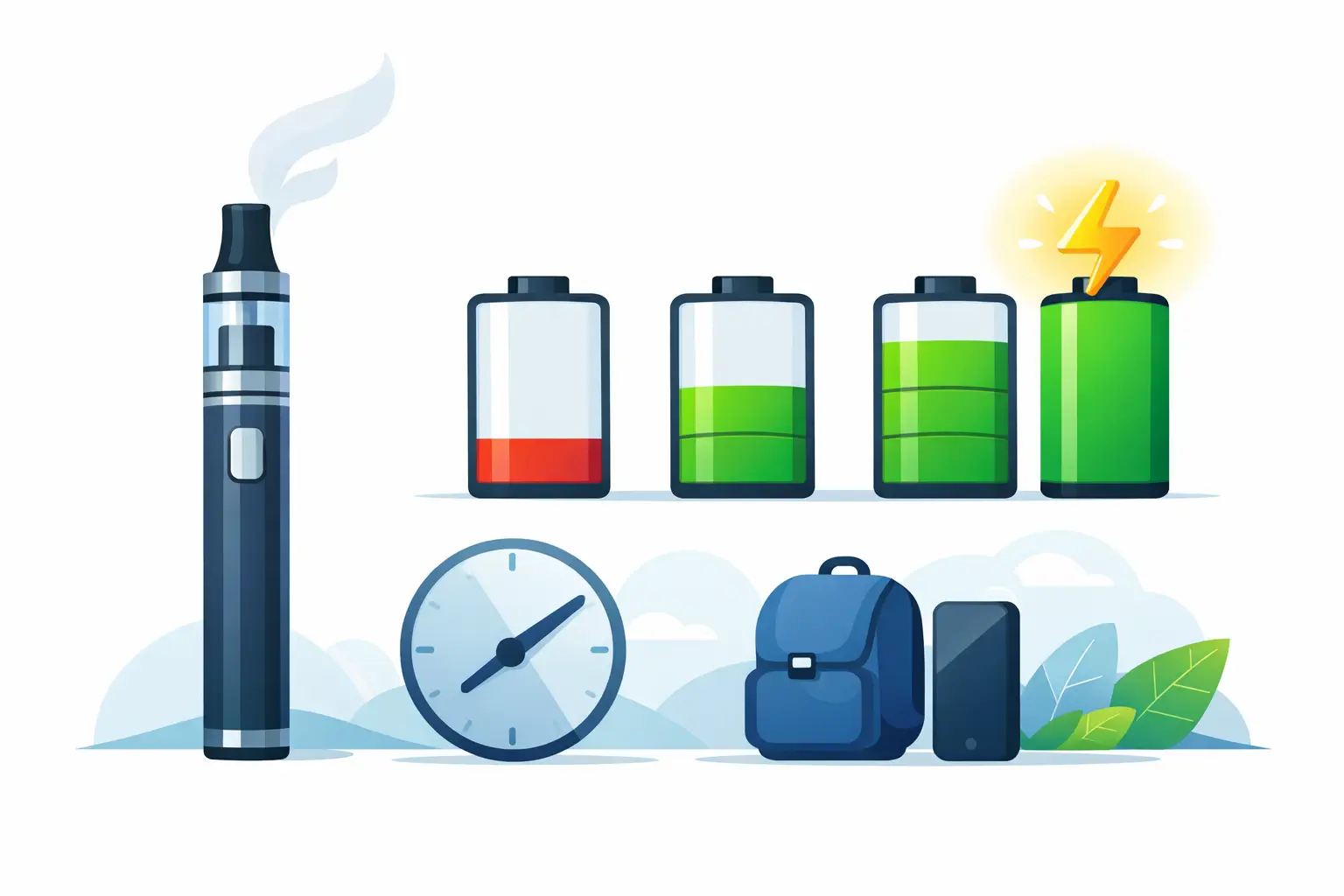
Battery capacity is typically measured in milliamp-hours, written as mAh. This figure describes how much electrical charge a battery can store. In simple terms, a 1000mAh battery has more stored capacity than a 650mAh battery, so it generally has the potential to run longer before charging.
That comparison is useful, but it is not a promise of a fixed number of puffs. Battery capacity tells you the size of the energy reserve, not exactly how quickly a device will use it. A 1000mAh pod kit operated at a lower wattage will usually last considerably longer than the same capacity used at a higher wattage.
For many refillable mouth-to-lung devices, capacity falls into a practical range designed for compact daily carry. A smaller battery can suit someone who spends much of the day near a USB-C charger. A larger battery is often a better fit for commutes, travel days, long shifts, or anyone who prefers fewer charging interruptions.
Why Real-World Runtime Varies
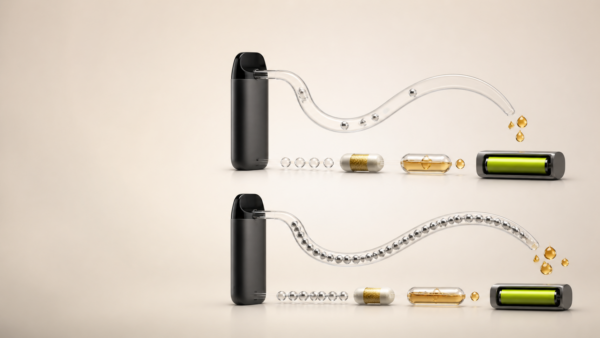
Two adult users can use the same device and get very different runtime. Wattage is one of the largest variables. More power heats the coil more intensely and draws energy from the battery faster. If your device offers adjustable output, a setting near the upper end of its range will not provide the same runtime as a lower setting.
Pod resistance matters as well. Lower-resistance pods are typically used at higher power and may produce a warmer, more pronounced experience, but they can reduce battery life. Higher-resistance mouth-to-lung pods often operate at lower wattages, supporting a more measured draw and longer runtime from the same battery capacity.
Airflow and draw length also affect the result. A more open airflow setting, longer draws, and frequent back-to-back use ask more from the battery. By contrast, a tighter airflow and shorter, less frequent draws place a lighter demand on the device. There is no universal setting that is best. The right setup depends on the experience you prefer and how often you can reasonably charge.
Temperature can also make a difference. Lithium-ion batteries are less efficient in very cold conditions, so a device that normally lasts all day may feel less consistent outdoors in winter. Keeping a pod kit in an inside pocket rather than leaving it in a cold vehicle can help protect both comfort and expected performance.
Match Capacity to Your Routine
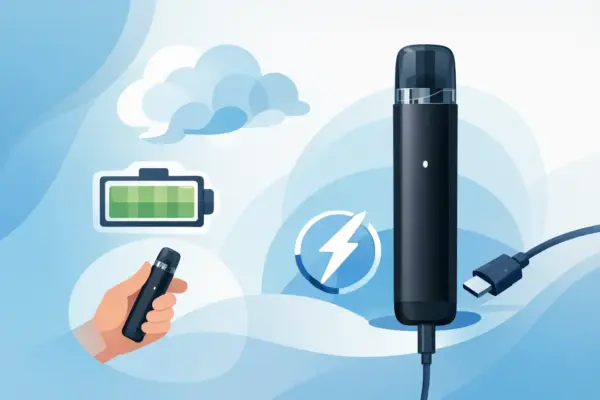
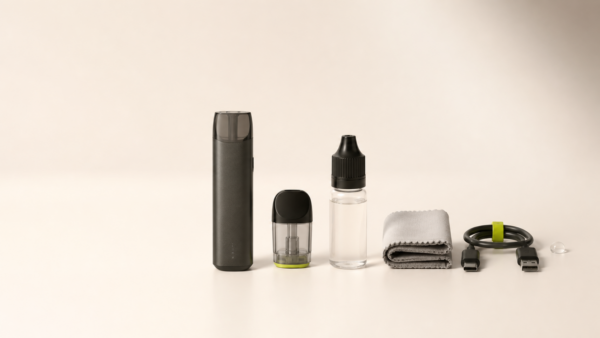
Instead of shopping by mAh alone, start with the moments when charging is least convenient. If you use a refillable pod kit at home, at your desk, or during predictable breaks, a compact device with convenient Type-C charging may be all you need. Fast, accessible charging can matter more than carrying the highest possible capacity.
If you are regularly away from an outlet, a larger battery reserve becomes more valuable. A device around 1000mAh can offer a strong middle ground for adult users who want a slim profile without treating charging as another daily task. It is a specification worth comparing alongside output range, pod resistance options, and charging connection.
Pod volume should be considered at the same time. A battery that lasts longer than the e-liquid in the pod does not eliminate the need to refill. Similarly, a large pod paired with high-power use may need charging before it needs more e-liquid. The most satisfying setup keeps those two routines reasonably aligned.
Nicotine salt strength and personal use habits can influence that balance indirectly. If a particular e-liquid and pod configuration satisfies you with fewer draws, battery demand may be lower across the day. Flavor preference, nicotine strength, airflow, and output are personal choices, but each can shape how often you reach for a charger.
Capacity, Charging Speed, and Device Size
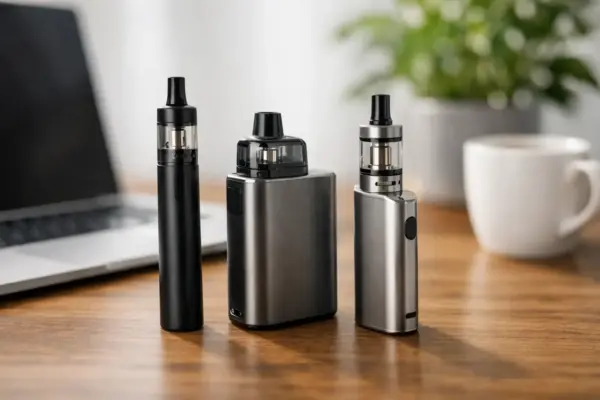
More capacity generally requires more physical space. That is why an ultra-compact pod kit may have a smaller mAh rating than a slightly taller or thicker alternative. Neither approach is automatically better. A smaller device may disappear into a pocket and recharge quickly, while a larger one may give you more time between connections.
Type-C charging is a practical feature because it supports a familiar, reversible cable connection. Still, charging speed depends on the device’s supported charging rate, not just the cable itself. Check the product specifications for charging details rather than assuming every Type-C device charges at the same pace.
It is also wise to use an appropriate charging source and the cable supplied with the device when possible. Avoid charging a vape on damaged cables, leaving it in direct sun, or using it while the battery or device appears damaged. If a device becomes unusually hot, has visible damage, or behaves inconsistently, stop using it and follow the manufacturer’s guidance.
For lithium-ion batteries, a simple charging routine is usually better than chasing a perfect percentage. Charge before you need to leave, disconnect once charging is complete when practical, and keep the device away from extreme heat. These habits support reliable daily use without adding unnecessary complication.
How Adjustable Output Changes Battery Life
An adjustable wattage range gives you more control, but it also makes battery runtime more variable. A device rated for 5-25W can be tuned for different compatible pod resistances and preferences. At the lower end, it will generally use less battery power per draw. At the higher end, it may deliver a warmer, stronger output while requiring more frequent charging.
Start within the recommended range for your pod. If you want to extend runtime, lower the wattage gradually rather than making a dramatic change. Pay attention to flavor, warmth, and draw satisfaction. The goal is not to run the device at the lowest setting possible. It is to find a setting that feels right without using more power than your preferred pod needs.
Airflow adjustment works alongside wattage. A tighter mouth-to-lung draw often pairs naturally with lower output and can help a battery last longer. A looser setting may suit a different preference, but it can encourage longer draws or higher power. Small adjustments can produce a noticeable difference over a full day.
A Clear Way to Compare Pod Kits
When comparing refillable devices, read battery capacity as one part of a complete specification set. Consider the mAh rating with the wattage range, compatible pod resistances, pod volume, airflow control, activation method, and charging format. A 1000mAh battery paired with the right pod and sensible output can be more useful than a larger number on a device that does not suit your draw style.
Design matters here, too. A finish you want to carry, controls you can use comfortably, and a profile that fits your routine are not secondary details. They are part of choosing a device you will use consistently and maintain properly. ZERO Vape presents these specifications clearly because small technical differences have a real effect on daily ownership.
Battery capacity is best viewed as freedom from unnecessary interruption, not a number to chase. Choose the reserve that supports your day, keep charging straightforward, and let the rest of the device – pod, airflow, output, and finish – reflect how you prefer to use it.