



Why Flavor Preferences Vary: Sweetness, Cooling, Tea and Fruit Profiles
Two adults can try the same flavor and describe it in completely different ways. One may notice ripe fruit and a soft finish; another may find the same profile overly sweet or sharply cool. For the hardware side of that choice, see how to choose an MTL vape device for daily use.
Neither person is necessarily wrong. Flavor is not a single ingredient or sensation. It is a combined experience shaped by taste, aroma, cooling or irritation, mouthfeel, expectation and the device delivering the aerosol.
Understanding those layers makes flavor descriptions more useful—and helps explain why popularity lists rarely predict an individual preference.
Flavor is more than taste
The tongue contributes basic taste sensations such as sweetness, bitterness and sourness. Much of what people call flavor, however, comes from volatile aroma compounds reaching the nose.
There is also a third component sometimes called chemesthesis: sensations such as cooling, warmth or sharpness that are detected through sensory pathways rather than ordinary taste alone.
That means a profile such as iced peach tea may contain several perceptual layers:
- A peach-like aroma
- A sweet impression
- Tea-like bitterness or dryness
- A cooling finish
- The mouthfeel produced by the liquid and device
Changing one layer can change the entire balance.
Why sweetness is not equally sweet to everyone
Perceived sweetness varies between people. Sensory research has found that genetics contributes to some individual differences, while familiarity, age, context and learned associations may also affect recognition and liking.
Aroma adds another complication. Fruit or vanilla-like aromas can make a sample seem sweeter even when the actual sugar content has not changed. In other words, the brain combines related aroma and taste cues into one impression.
For an adult comparing profiles, sweet may therefore mean several different things:
- A direct sweet taste
- A ripe-fruit aroma associated with sweetness
- A rounded finish with little bitterness
- A lingering candy-like impression
- A contrast effect created by cooling or acidity
This is why two products described as equally sweet can feel very different.
Cooling is a sensation, not simply a mint flavor
Cooling agents activate sensory pathways associated with cold. Menthol is a familiar example, but a product can deliver cooling without a strong mint aroma.
Cooling intensity also has its own range. A light cooling finish may make fruit feel brighter, while a stronger level can dominate sweetness or make a profile feel sharper. Research on menthol and other coolants shows that perceived coolness generally rises with concentration, although the exact character can differ between compounds.
Useful cooling descriptions include:
- No cooling
- Light finish
- Clear cooling throughout
- Strong or dominant cooling
- Mint-like aroma
- Neutral cooling without a mint character
Separating cooling from flavor makes comparisons more precise. Disliking mint does not always mean disliking all cooling, and the reverse can also be true.
Tea profiles bring bitterness, dryness and aroma
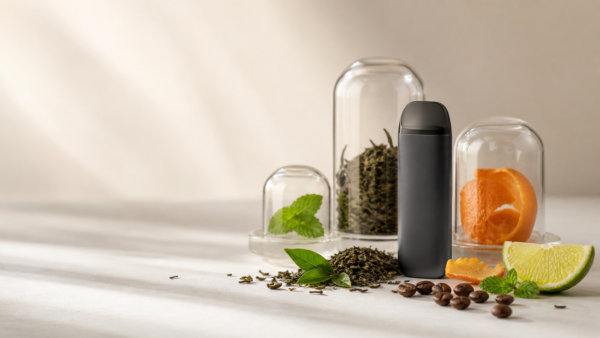
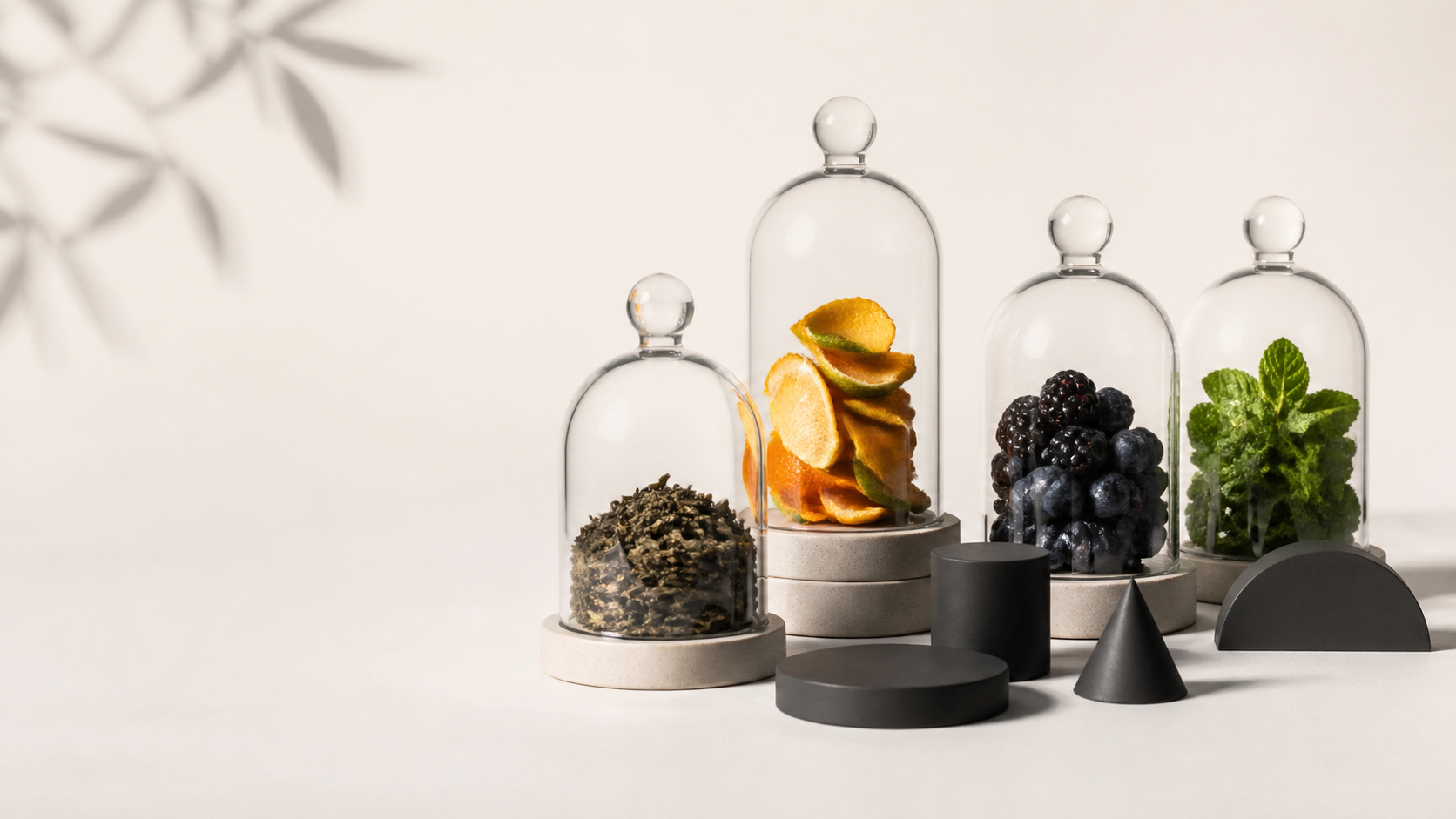
Tea-inspired profiles are rarely just tea. Green, oolong and black-tea references can suggest different balances of floral aroma, roasted notes, freshness, bitterness and astringency.
Bitterness and astringency are also different sensations. Bitterness is a taste; astringency is the drying or puckering feeling often associated with tea polyphenols. Sensory studies of tea have found that phenolic compounds can contribute to both, but their effects depend on composition and concentration.
When describing a tea profile, consider:
- Fresh, floral or roasted aroma
- Light or pronounced bitterness
- Clean or lingering dryness
- Sweetness before or after the tea note
- Fruit, cream or cooling used as an accent
An adult who enjoys dry tea may appreciate a profile that another person considers insufficiently sweet. Preference depends on the intended balance, not on whether one description is universally better.
Fruit profiles are built from recognizable cues
Fruit covers a very wide range. Citrus can feel bright and acidic; berries may combine sweet and tart cues; tropical fruit can feel dense or ripe; stone fruit often suggests a softer, rounded aroma.
Fruit character is strongly influenced by volatile compounds. Studies of fresh fruit show that specific aroma compounds can affect both recognizable fruit flavor and perceived sweetness.
That helps explain why a fruit profile can seem:
- Fresh rather than candy-like
- Tart rather than sweet
- Ripe rather than green
- Juicy rather than dry
- Naturalistic rather than confectionery
Cooling and tea notes can shift those impressions further. A cooled citrus profile may feel crisp, while the same cooling level can make a creamy fruit profile feel less rounded.
The device and pod can change the result
A flavor impression is not determined by the liquid alone. Coil condition, airflow, output level and residual flavor from a previous fill can change what is noticed.
A worn pod may mute detail or introduce an off-note. A device operated outside the manufacturer’s recommended setup may alter heat and liquid consumption. Condensation or an incompletely primed pod can also affect the first impression.
Compare flavors only in clean, compatible equipment and follow the device instructions. Do not treat a burnt, unusually hot or leaking setup as a valid flavor test.
Build a simple preference vocabulary
Rather than searching for a universally best flavor, record a few dimensions:
- Sweetness: low, medium or high
- Cooling: none, light, medium or strong
- Main family: fruit, tea, dessert, tobacco or another profile
- Finish: clean, dry, creamy, tart or lingering
- Aroma style: fresh, ripe, floral, roasted or candy-like
Change one dimension at a time when comparing products. A person who dislikes a strongly cooled tropical blend may still enjoy tropical fruit without cooling.
Flavor preference does not indicate product safety, nicotine strength or suitability. Use only appropriately labelled products that comply with the rules where you live, and keep all devices and liquids away from children and pets. Adults who do not currently use nicotine products should not start.
Related reading: For a more structured way to interpret product descriptions, use the guide to reading vape flavor profiles without chasing hype.